
 Portugal
 ES
 FR




















There are no more items in your cart
SKU:
HOL-3526
Brand:
N/A
(0 Reviews)
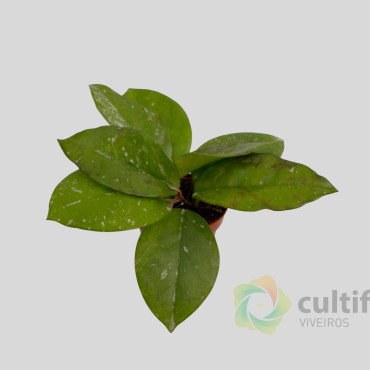
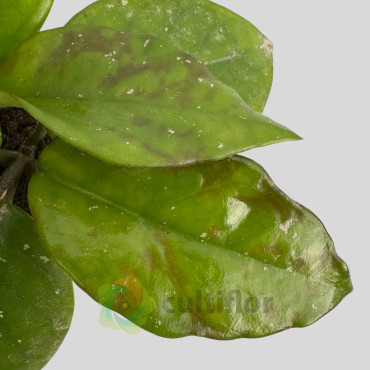
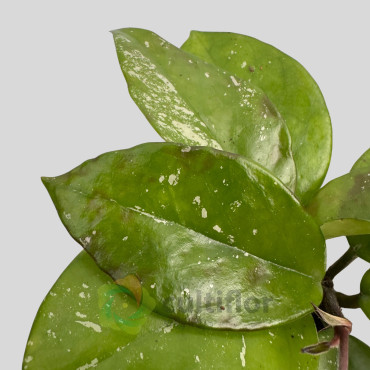
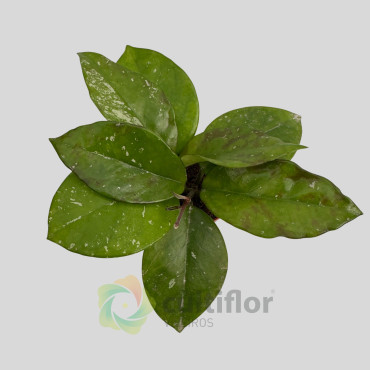
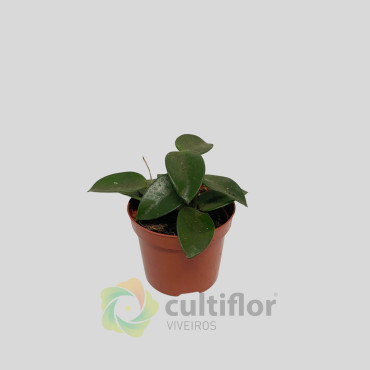
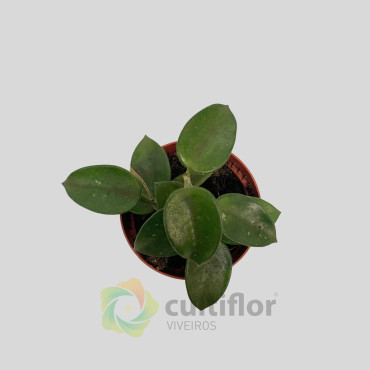
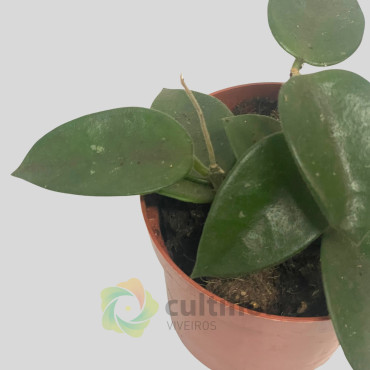
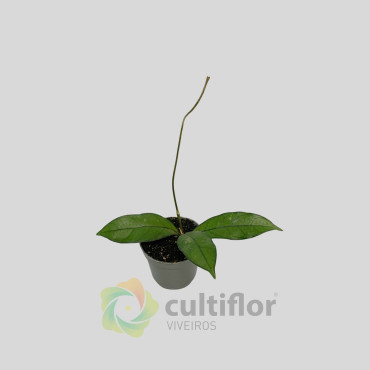
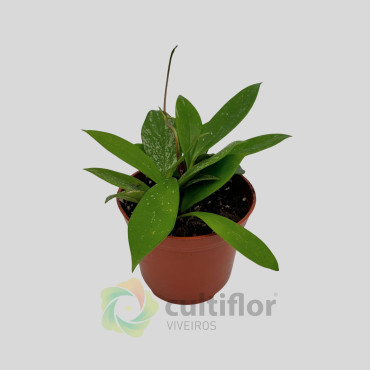
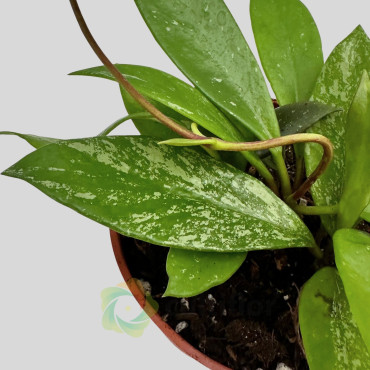
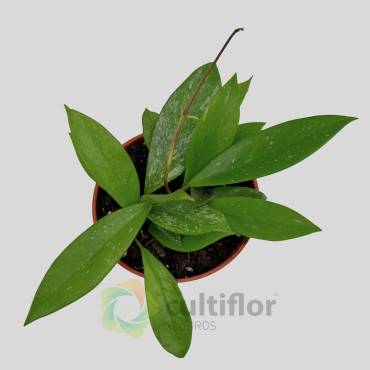
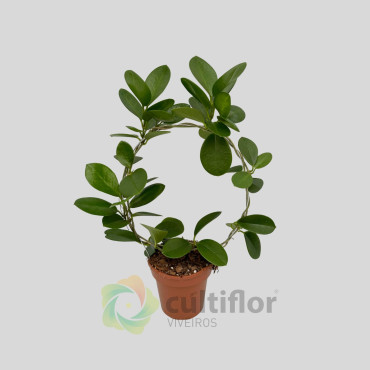
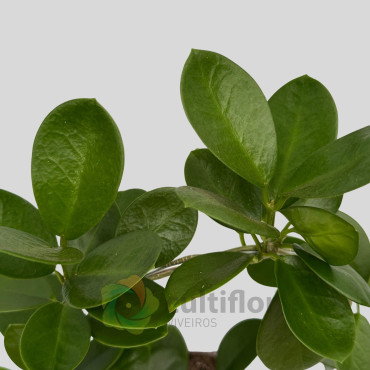
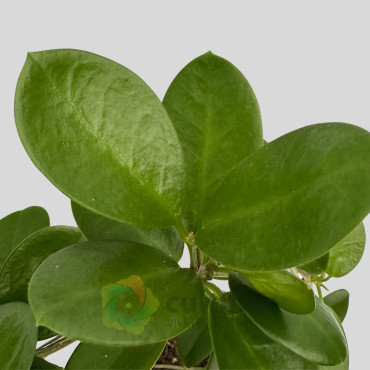
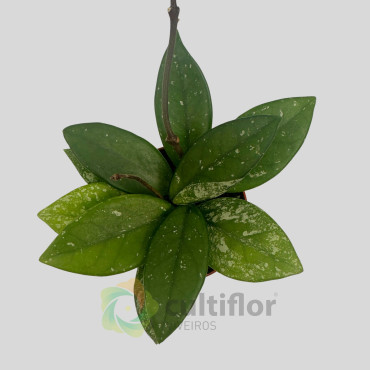
The leaves are oval with a very waxy and shiny surface. Its flower is small, star-shaped, and white and cream-colored.
SKU:
HOL-2705
Brand:
N/A
(0 Reviews)
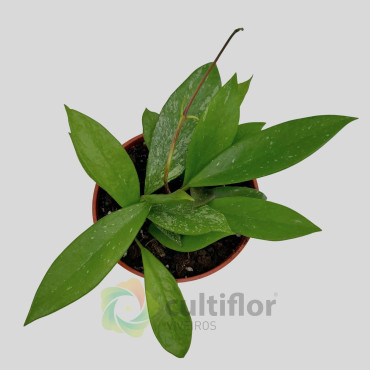
The result of a cross between Hoya carnosa and Hoya serpens, as well as its "sister," Mathilde, which came from the same pod.
Its flowers have the trichomes (pubescence) of the serpens and retain the white color of the carnosa, thus creating a very aromatic and charming flower.
SKU:
HOL-2313
Brand:
N/A
(0 Reviews)
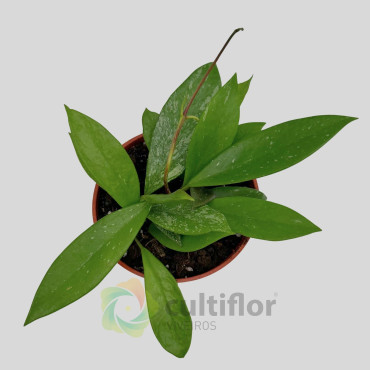
The leaves are oval with a very waxy and shiny surface. Its flower is small, star-shaped, and white and cream-colored.
SKU:
HOL-1722
Brand:
N/A
(0 Reviews)
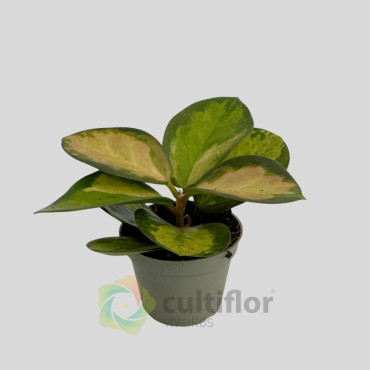
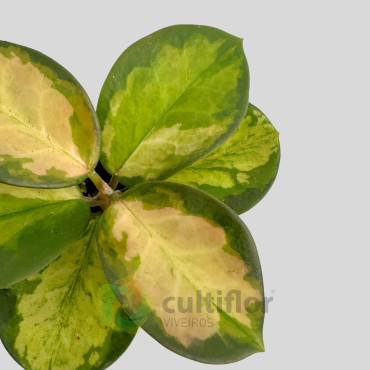
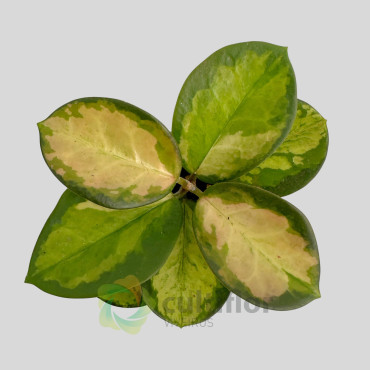
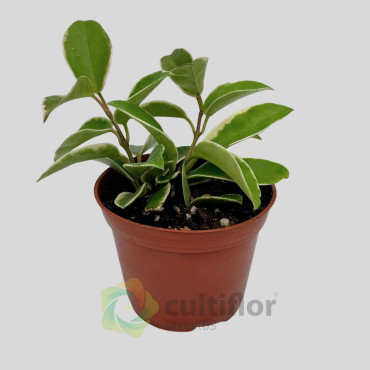
The leaves are generally thinner and smoother compared to other varieties. They are oval in shape, green with yellow and reddish parts. The reddish hues come from sun exposure.
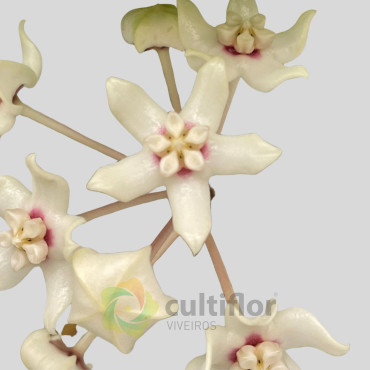
The flowers are star-shaped, white with a red or pink center.
The image of the flower is for illustrative purposes. The plant is supplied without a flower.
SKU:
HOL-2138
Brand:
N/A
(0 Reviews)
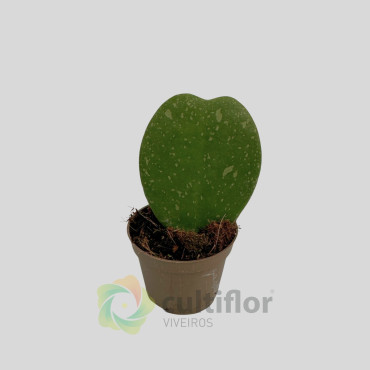
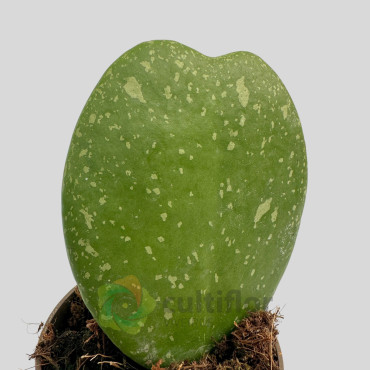
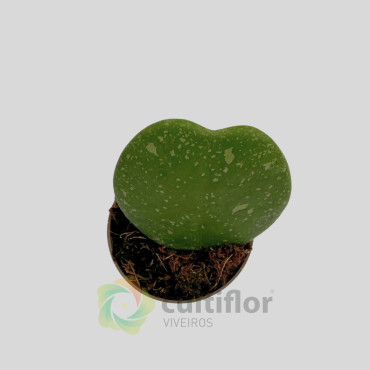
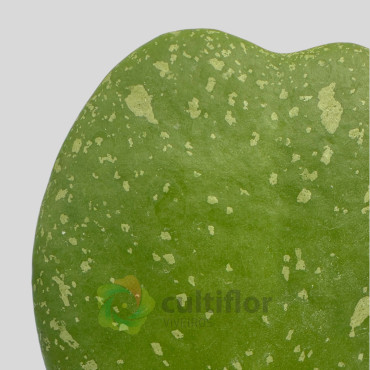
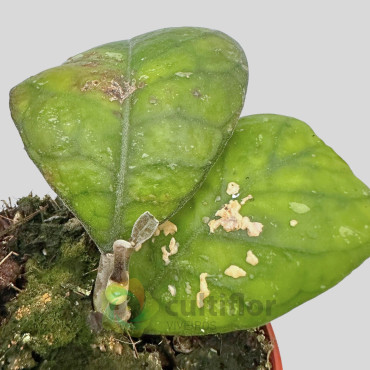
A variety with an unmistakable heart shape.
In mature plants, it produces dense umbels with small, star-shaped flowers. These are covered in a waxy, velvety texture, varying in color from pink to cream, with a reddish center. They secrete a sweet, floral nectar.
SKU:
HOL-1662 T
Brand:
N/A
(0 Reviews)
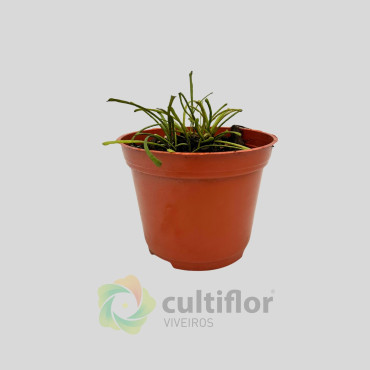
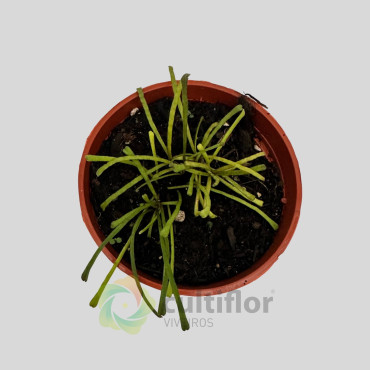
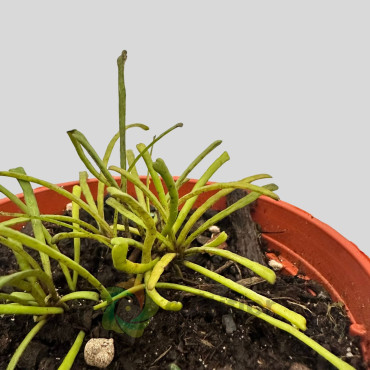
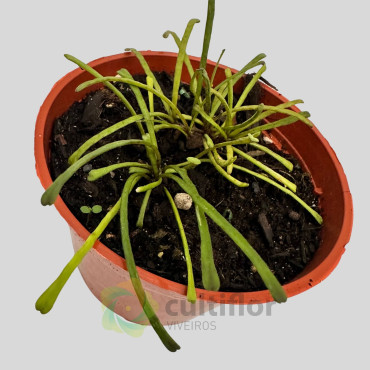
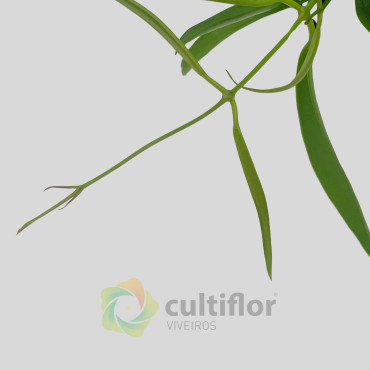
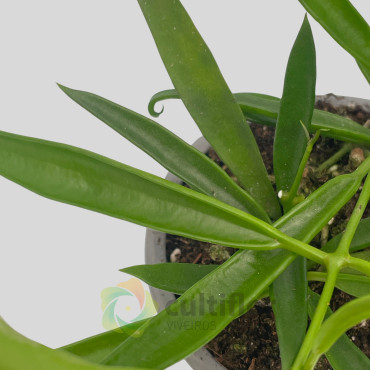
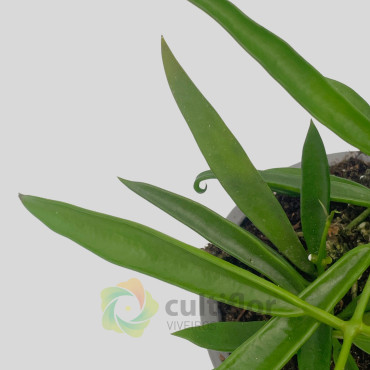
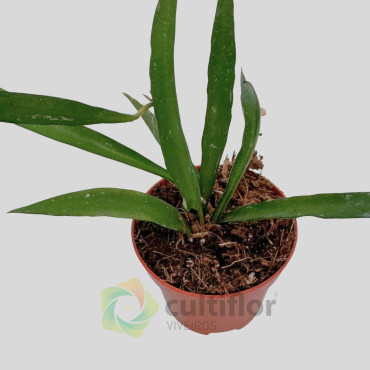
It is a plant with a hanging growth pattern, with branches that can fall freely.
The branches are thin, long, and segmented; the leaves are cylindrical and grow in pairs or groups of three.
The flowers are small and white, borne in loose clusters, usually with two to three flowers per cluster.
SKU:
HOL-2705
Brand:
N/A
(0 Reviews)
Its name, meaning "large leaf with a white margin," says a lot about it. They are remarkably large, glossy, and waxy. They are a green hue, with a raised texture and yellow outline. They can acquire beautiful pink tones if exposed to intense light.
Its flowers are small, pink, and exude a characteristic, sweet aroma.
Last items in stock
SKU:
HOL-4601
Brand:
N/A
(0 Reviews)
Affectionately known as "Hoya China beans" due to its elongated shape. It produces star-shaped flowers, about 1.7 cm in diameter. They are pure, bright white, with pubescent edges (with small hairs) and a matching crown.
Its flowers give off a sweet aroma, especially in the late afternoon and evening.
SKU:
HOL-2313
Brand:
N/A
(0 Reviews)
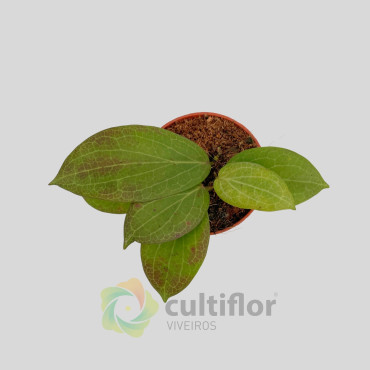
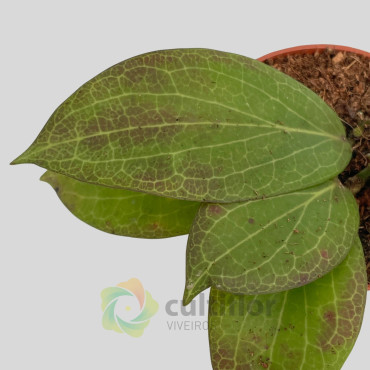
The leaves are oval, with prominent veins and a lace effect. The leaves are green, but take on reddish tones if they are more exposed to the sun.
The flower is star-shaped, with pink, orange and coral tones.
May contain small scars or cuts.
Last items in stock
SKU:
HOL-4615
Brand:
N/A
(0 Reviews)
It has a bushy growth habit and unique flowers!
The flowers look like tiny darts or shooting stars in white and cream, which gives the illusion of glowing!
SKU:
HOL-4395
Brand:
N/A
(0 Reviews)
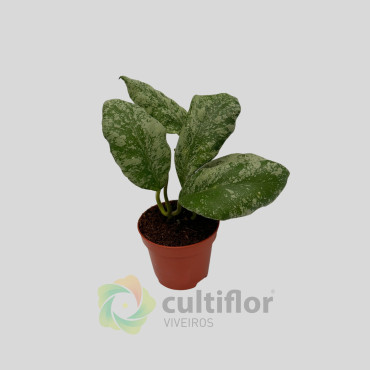
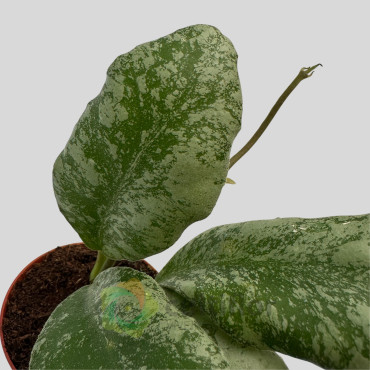
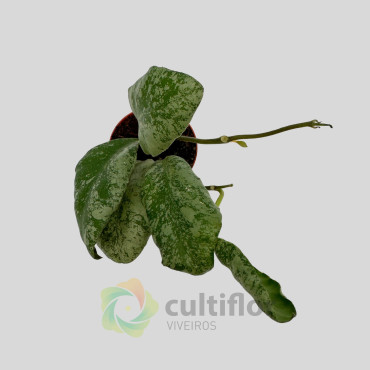
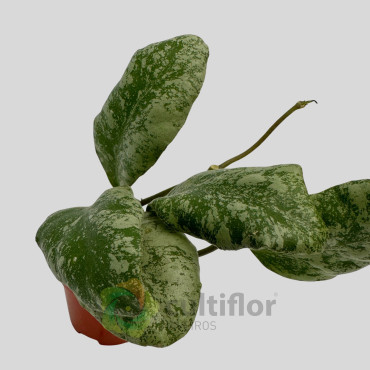
The name is a direct reference to the appearance of the leaves, which have an ethereal silvery hue.
The flowers are cream and yellow, with a soft fragrance, especially at night.
Last items in stock
SKU:
HOL-3439
Brand:
N/A
(0 Reviews)
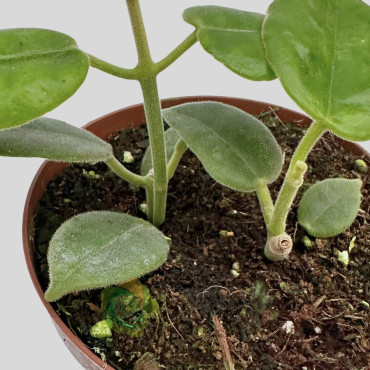
The leaves are large and velvety.
It produces clusters of star-shaped flowers, white with a deep red or pink center!
The flower photo is for illustrative purposes only; it will be sent without the flower.
SKU:
HOL-4619
Brand:
N/A
(0 Reviews)
Thick, succulent, and heart-shaped, these are the most evident characteristics of its leaves. It has prominent veins in shades of dark green and often silvery spots.
It produces small, star-shaped flowers, clustered together and yellow in color. They exude a soft, sweet fragrance.
SKU:
HOL-4621
Brand:
N/A
(0 Reviews)
A fascinating and prized species due to its unusual foliage and velvety texture. Its flowers are medium-sized and a very dark, intense shade of red.
SKU:
HOL-4352 T
Brand:
N/A
(0 Reviews)
Native to the Kapuas River region in Borneo, it has thick, silvery leaves with prominent veins.
It produces small clusters of light orange flowers, overlaid with red.
SKU:
HOL-4620 T
Brand:
N/A
(0 Reviews)
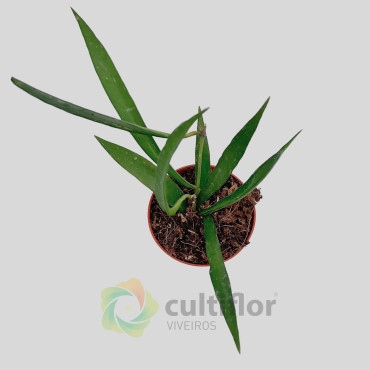
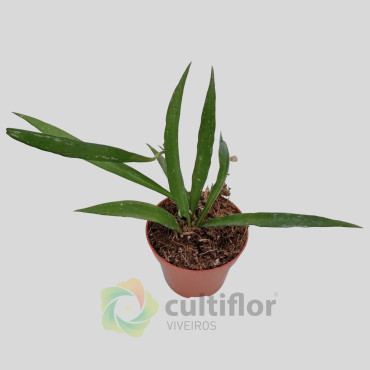
The leaves of this species are distinctively long and glossy. When exposed to good light, the plants may develop reddish or bronze hues.
The color of its flowers varies between cream and green, and they are compact and rounded.
SKU:
HOL-1662 T
Brand:
N/A
(0 Reviews)
A vigorous climbing plant with long, narrow leaves that have a characteristic waxy texture. They are dark green, sometimes taking on reddish hues.
The name Red Button comes from its spectacular flowers. It produces dense umbels with small, star-shaped flowers. The color varies between pink and red, complemented by a contrasting crown.
SKU:
HOL-1662 T
Brand:
N/A
(0 Reviews)
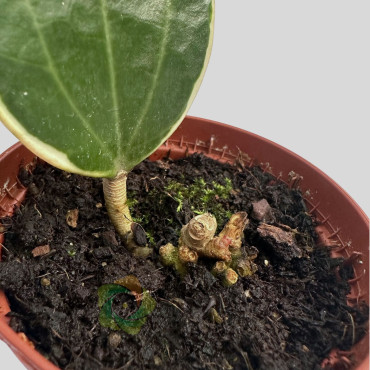
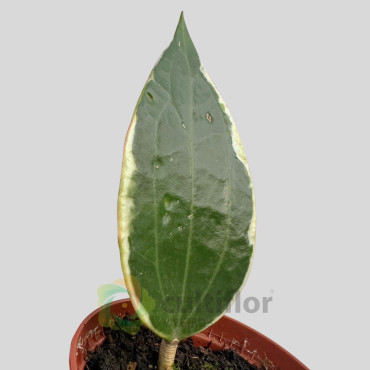
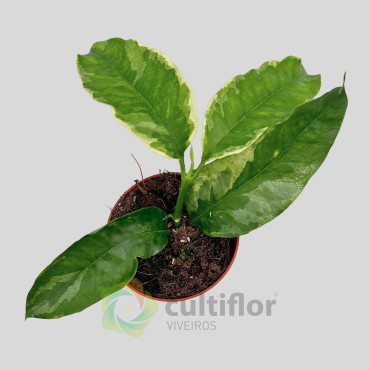
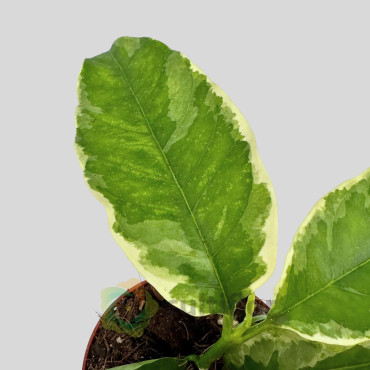
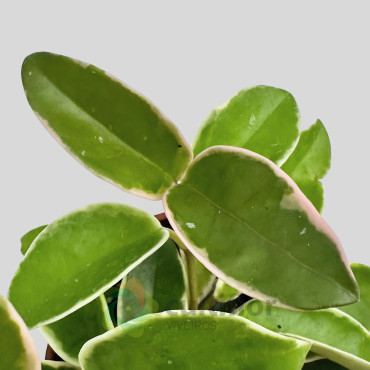
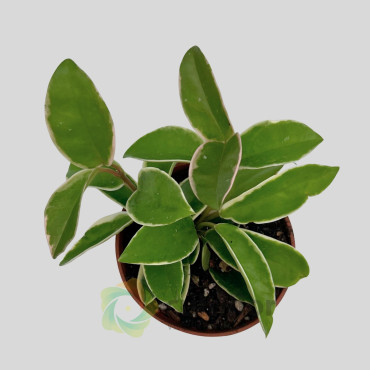
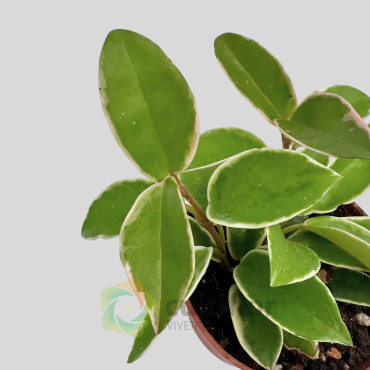
The leaves are thick, fleshy, and have a waxy texture. The highlight is the variegation; the leaf displays a bright green hue, while the margins are bordered in cream. In good light conditions, the new margins may show pinkish tones.
0
It produces characteristic inflorescences, in the form of small, waxy porcelain stars. Generally in shades of pink with a reddish center. They exude a sweet and sweet aroma, especially pronounced at night.
SKU:
HOL-1662 T
Brand:
N/A
(0 Reviews)
It is distinguished by its red and flattened flowers. Your leaves are wide and bright.
SKU:
HOL-1662 T
Brand:
N/A
(0 Reviews)
Known for its large, glossy green leaves. Its flowers bloom in star-shaped clusters, with a fragrance that intensifies at dusk. It is a plant that combines beauty, delicacy, and a timeless tropical charm.
SKU:
HOL-2313
Brand:
N/A
(0 Reviews)
This variety has quite rounded, glossy leaves with a prominent silvery sheen. The shape varies between oval and lanceolate, and the veins can be more or less prominent.
Light green and white are the base colors of the flower, which has a red center. It secretes a sweet and subtle aroma.
Last items in stock
SKU:
HOL-2474
Brand:
N/A
(0 Reviews)
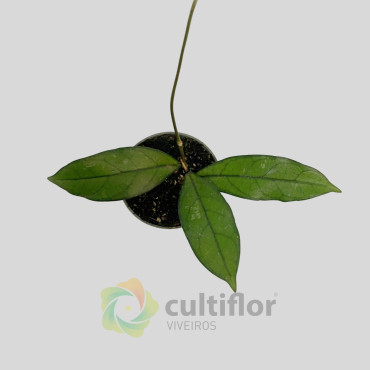
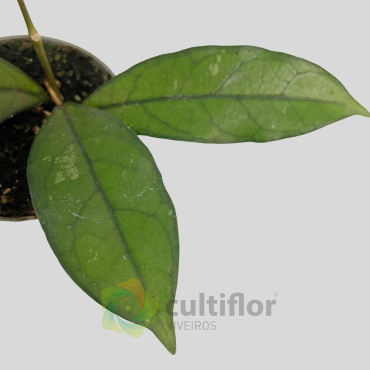
The leaves are generally thinner and smoother compared to other varieties. They have an ovate to elliptical shape and are green in color.
The flowers are star-shaped, white with a red or pink center.
SKU:
HOL-4353 T
Brand:
N/A
(0 Reviews)
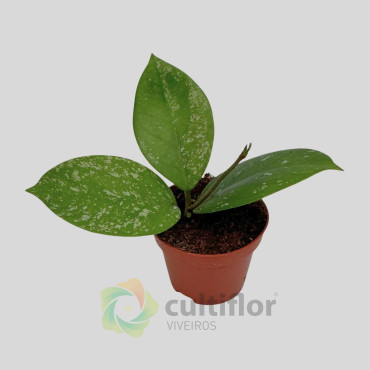
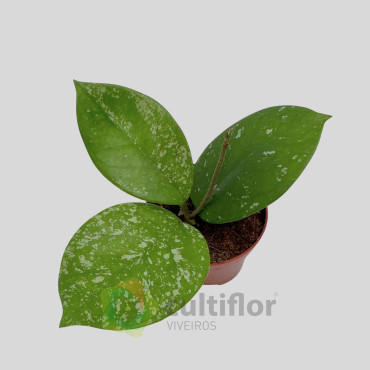
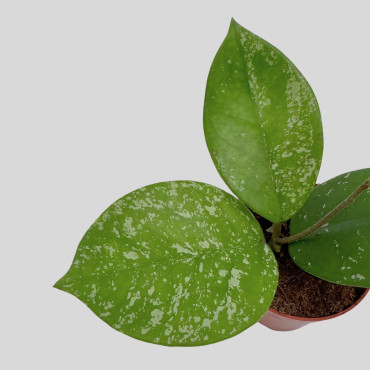
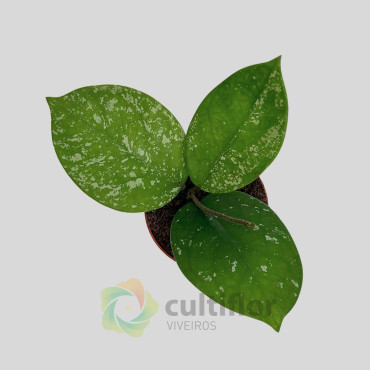
This variety was selected for its intense silvery markings and vigorous growth. It originates from a clone of Carnosa. Increased light exposure tends to result in more silvery development.
Last items in stock
SKU:
HOL-1531
Brand:
N/A
(0 Reviews)
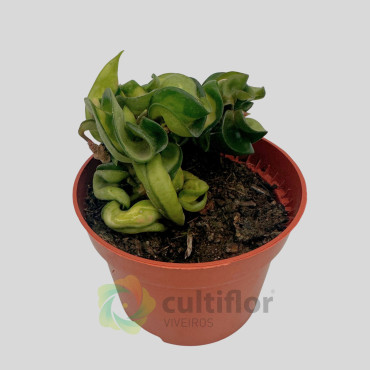
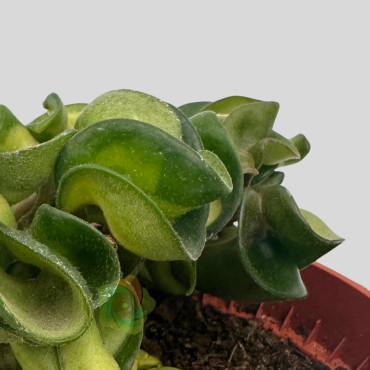
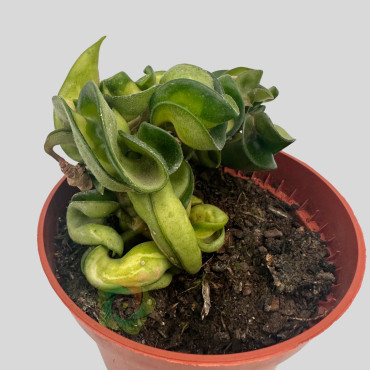
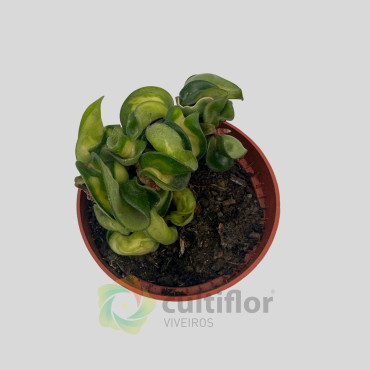
A stunning variety known for its unique, curled leaves. It has thick, waxy, variegated leaves. It grows compactly along hanging stems creating a rope-like appearance.
Last items in stock