
 Portugal
 ES
 FR












There are no more items in your cart
SKU:
HOL-3494
Brand:
N/A
(0 Reviews)
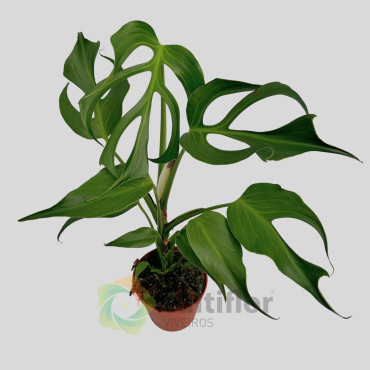
It is a rare variety and highly prized for its uniquely shaped leaves and exotic appearance. It was named after the famous Brazilian landscaper Roberto Burle Marx. It is believed to be a hybrid or a mutation but its origin remains unknown since its introduction in 1981.
May contain small scars or cuts.
SKU:
HOL-3029
Brand:
N/A
(0 Reviews)
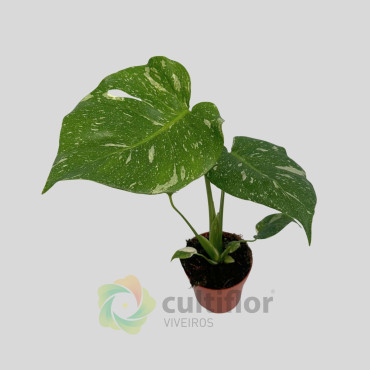
This variety is a stable and unique mutation of the famous Monstera deliciosa! Cultivated in Thailand, it has dark leaves speckled with cream or white hues. It resembles a starry night sky—hence the name "Constellation."
May contain small scars or cuts.
SKU:
HOL-4422
Brand:
N/A
(0 Reviews)
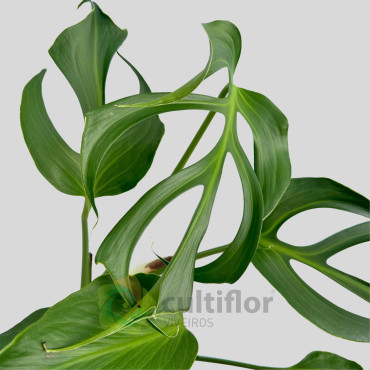
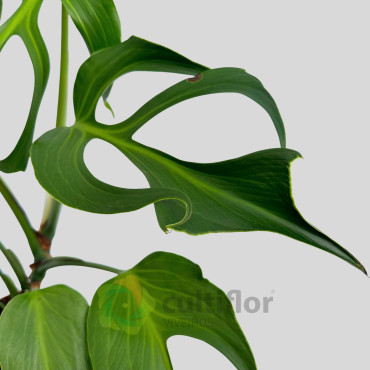
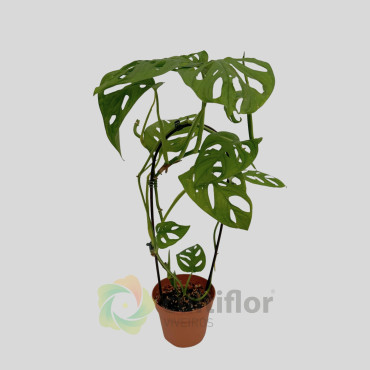
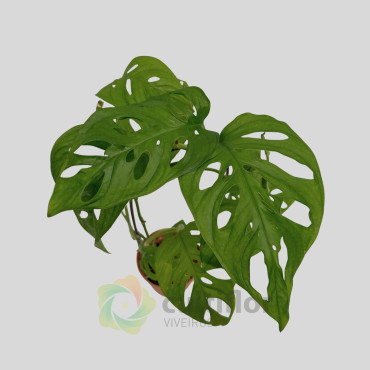
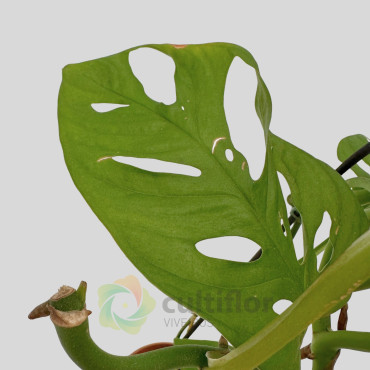
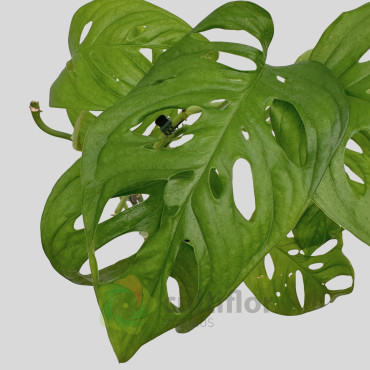
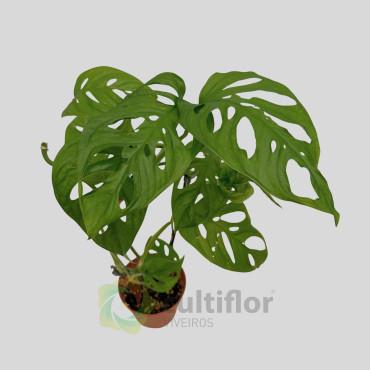
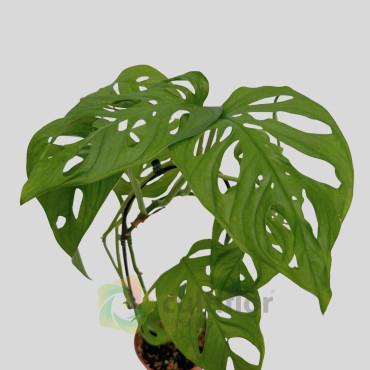
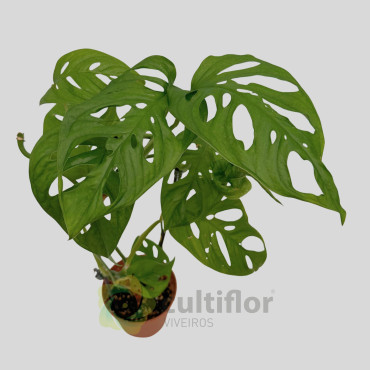
It features thin, delicate green leaves with an elongated, irregular shape.
They distinguished by the cutouts and small holes across their surface.
The cutouts can be quite deep, extending close to the central vein.
Young leaves have fewer openings, becoming more deeply cut as they grow.
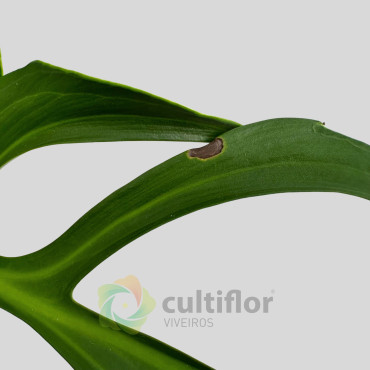
May contain small scars or cuts.
SKU:
HOL-2146
Brand:
N/A
(0 Reviews)
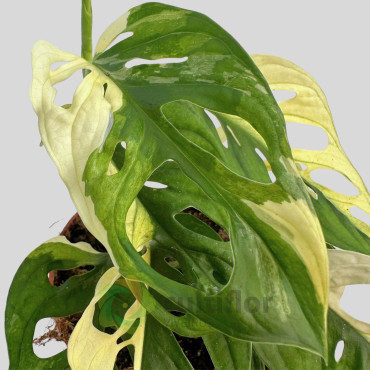
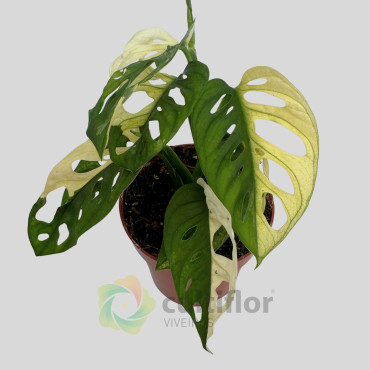
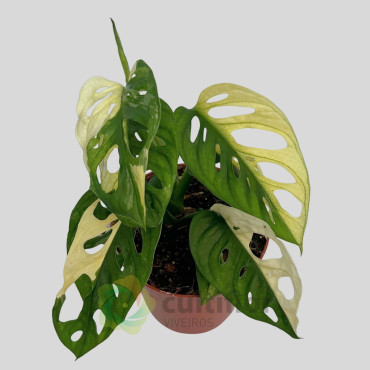
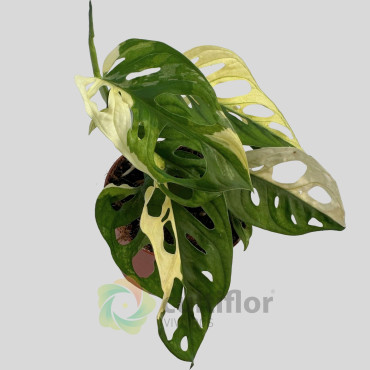
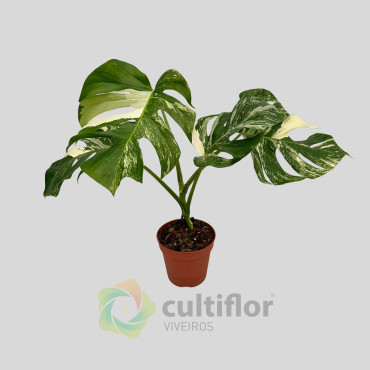
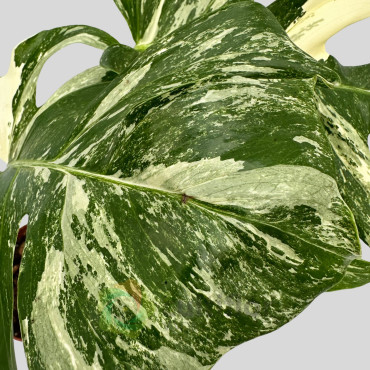
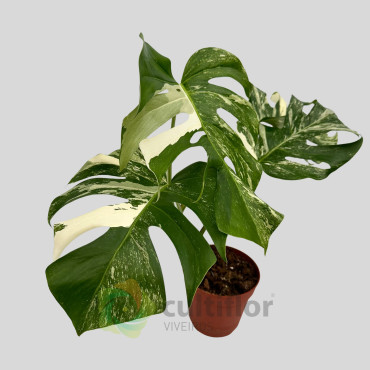
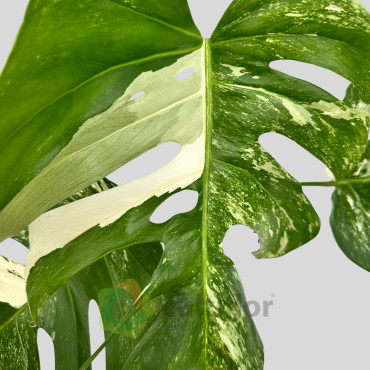
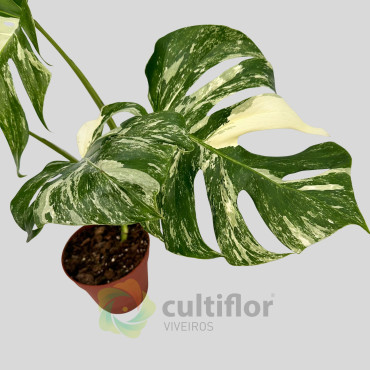
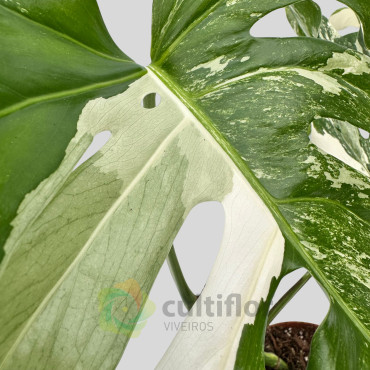
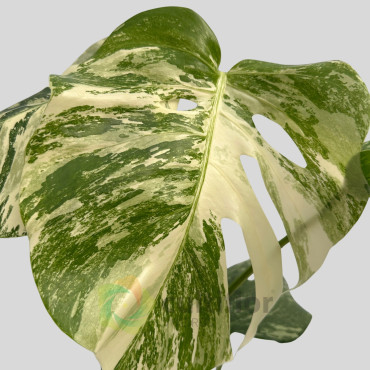
Its white tones, integrated with the green, create a stunning pattern!
May contain small scars or cuts.
SKU:
HOL-3928
Brand:
N/A
(0 Reviews)
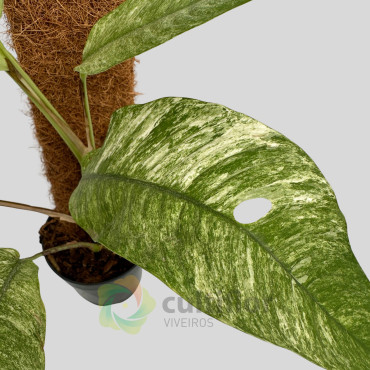
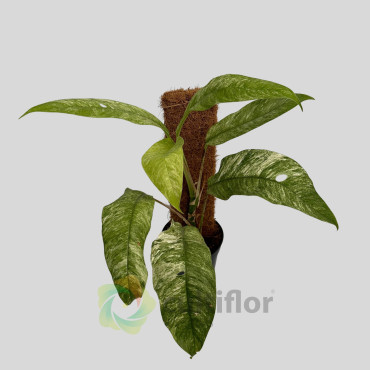
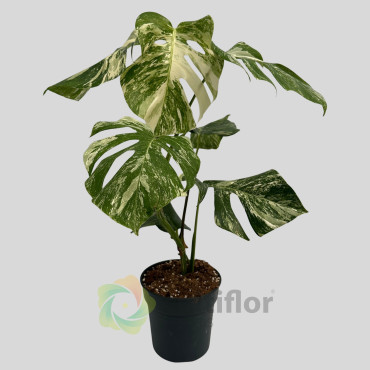
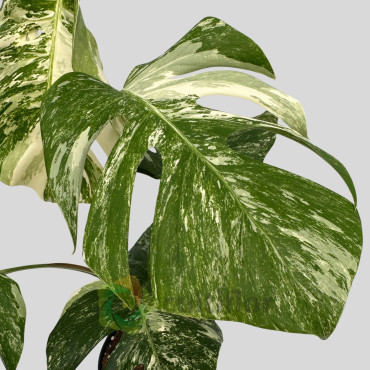
A tropical climbing plant known for its large, exotic-looking leaves. The variegation appears in different shades, forming unique patterns on each leaf. The leaves may become more deeply cut as the plant grows.
May contain small scars.
SKU:
HOL-2044
Brand:
N/A
(0 Reviews)
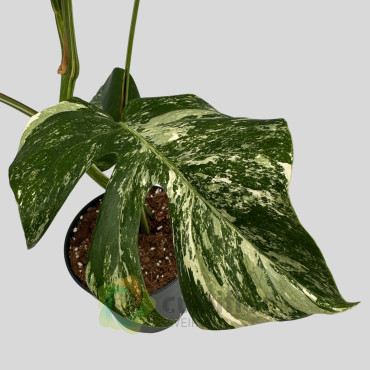
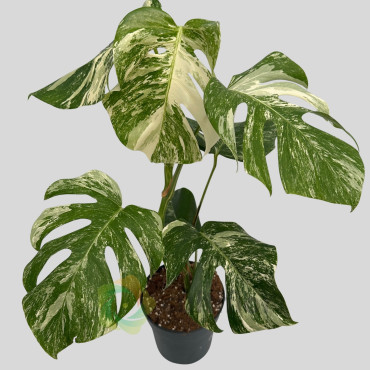
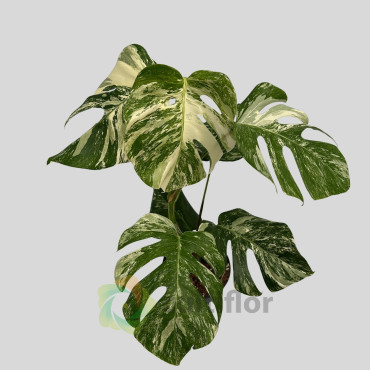
Thanks to the beautiful white variegation on their green leaves, they have become a delight for many. It is impossible to remain indifferent to their beauty!
SKU:
HOL-1822
Brand:
N/A
(0 Reviews)
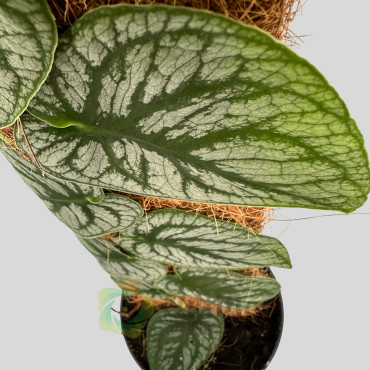
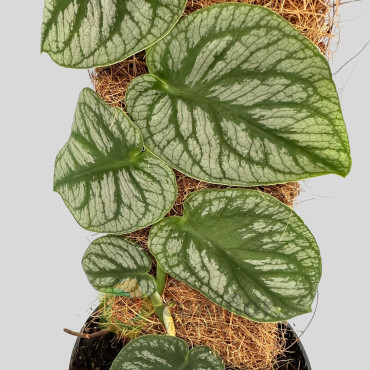
This silvery vine grows vertically and flat. The leaves overlap along the way and, depending on the height, change their color and shape. As it grows taller and receives more light, it loses its silvery hue, the leaves increase in size, and develop cuts.
May contain small scars or cuts.
SKU:
HOL-2468
Brand:
N/A
(0 Reviews)
Its name comes from the very jagged and hollow appearance of its leaves. The holes are large and its numerous veins resemble the structure of a skeleton.
Last items in stock
SKU:
HOL-2493
Brand:
N/A
(0 Reviews)
Known as the Swiss Cheese Plant, it's a true classic for indoors. It can also be used outdoors if sheltered. It's a vigorous climbing plant with a unique appearance.