
 Portugal
 ES
 FR









There are no more items in your cart
SKU:
HOL-3956
Brand:
N/A
(0 Reviews)
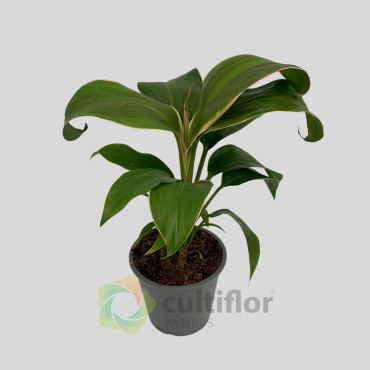
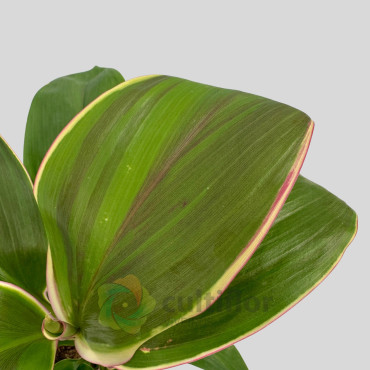
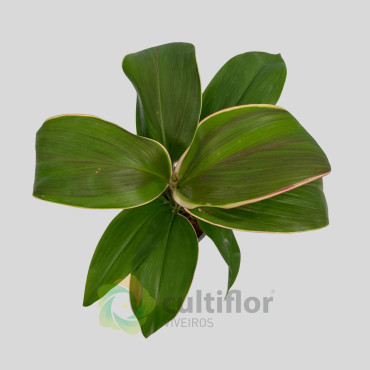
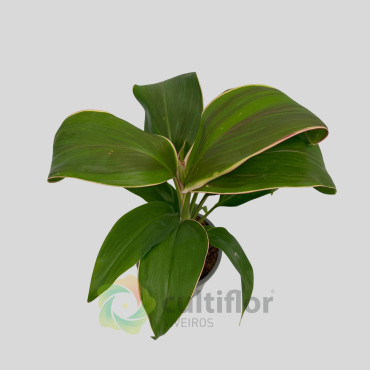
Distinguished by its lush foliage and delicate color combination. Its elongated, elegant leaves create a light and sophisticated visual effect. This variety is a true standout piece in any plant collection.
SKU:
HOL-2138
Brand:
N/A
(0 Reviews)
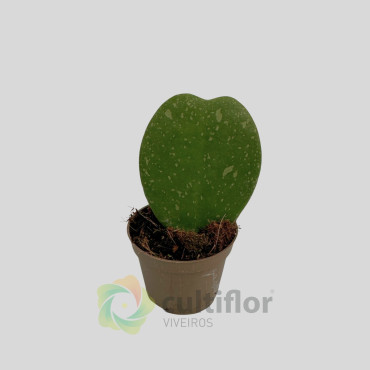
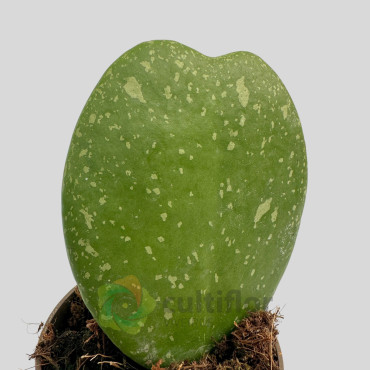
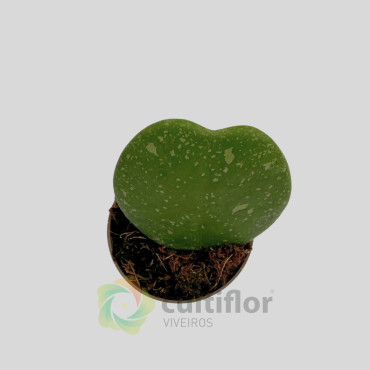
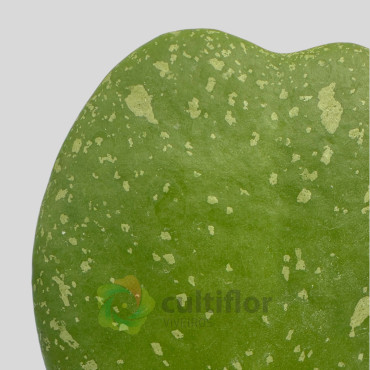
A variety with an unmistakable heart shape.
In mature plants, it produces dense umbels with small, star-shaped flowers. These are covered in a waxy, velvety texture, varying in color from pink to cream, with a reddish center. They secrete a sweet, floral nectar.
SKU:
HOL-2018
Brand:
N/A
(0 Reviews)
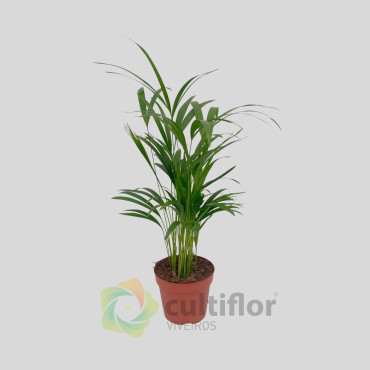
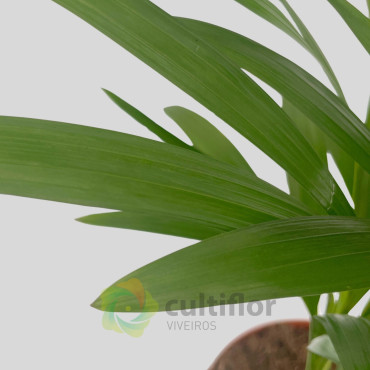
This palm tree is well known for its recurring presence in indoor spaces.
Its thin, elongated leaves give it a tropical appearance.
SKU:
HOL-4656
Brand:
N/A
(0 Reviews)
An epiphytic and lithophytic orchid species native to the South and Southeast regions of Brazil and northeastern Argentina.
The flowers appear singly on stalks that emerge from the base of the pseudobulbs. They are yellow on the inside, while the outside is speckled with spots—a feature that gives the plant its name. They are intensely fragrant, emitting a sweet scent reminiscent of honey.
SKU:
HOL-4341 a
Brand:
N/A
(0 Reviews)
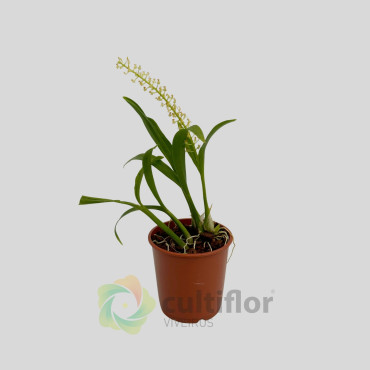
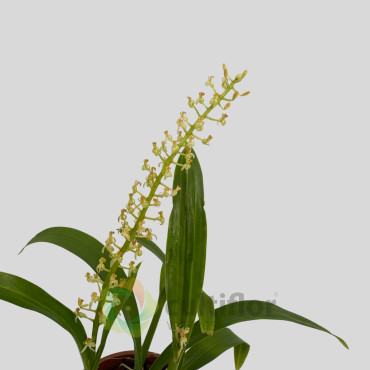
The flowers are one of the most distinctive features of this orchid. They are small and numerous, often arranged in an inflorescence that emerges from the apex of the pseudobulbs.
SKU:
HOL-1662 T
Brand:
N/A
(0 Reviews)
It is a plant with a hanging growth pattern, with branches that can fall freely.
The branches are thin, long, and segmented; the leaves are cylindrical and grow in pairs or groups of three.
The flowers are small and white, borne in loose clusters, usually with two to three flowers per cluster.
SKU:
HOL-3494
Brand:
N/A
(0 Reviews)
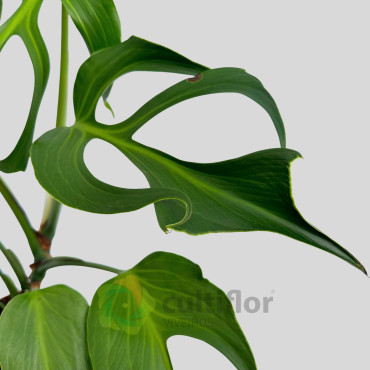
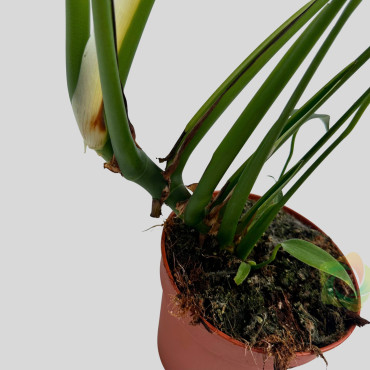
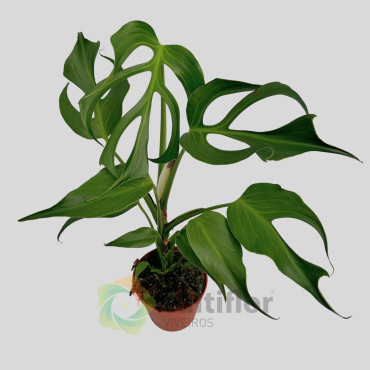
It is a rare variety and highly prized for its uniquely shaped leaves and exotic appearance. It was named after the famous Brazilian landscaper Roberto Burle Marx. It is believed to be a hybrid or a mutation but its origin remains unknown since its introduction in 1981.
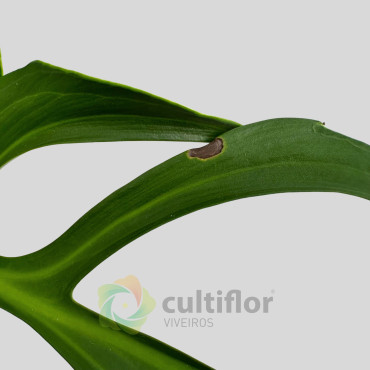
May contain small scars or cuts.
SKU:
HOL-3029
Brand:
N/A
(0 Reviews)
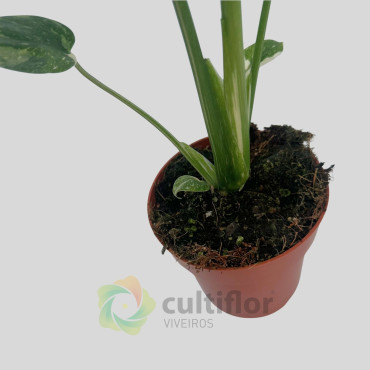
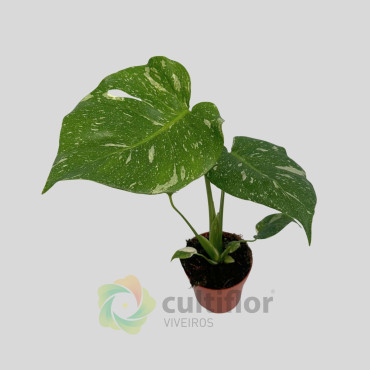
This variety is a stable and unique mutation of the famous Monstera deliciosa! Cultivated in Thailand, it has dark leaves speckled with cream or white hues. It resembles a starry night sky—hence the name "Constellation."
May contain small scars or cuts.