
 Portugal
 ES
 FR

















There are no more items in your cart
SKU:
HOL-2018
Brand:
N/A
(0 Reviews)
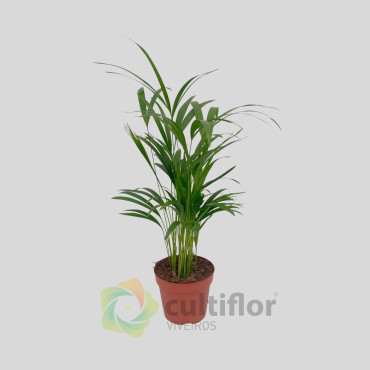
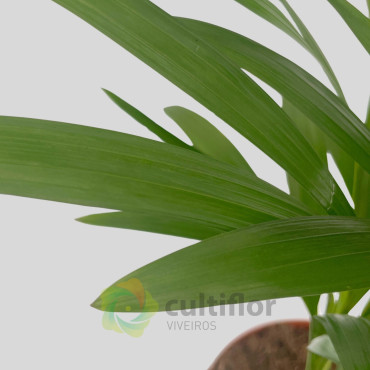
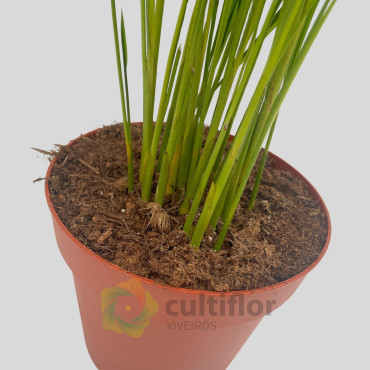
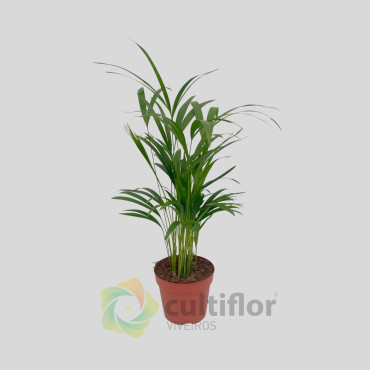
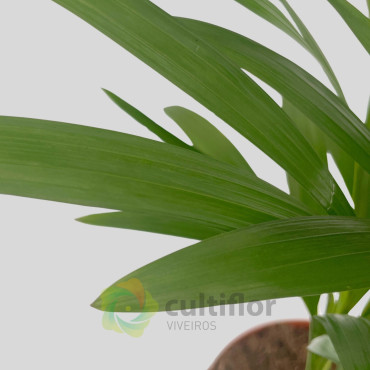
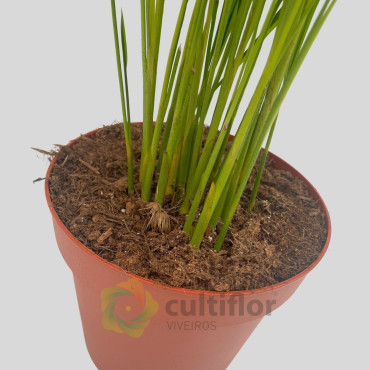
This palm tree is well known for its recurring presence in indoor spaces.
Its thin, elongated leaves give it a tropical appearance.
SKU:
HOL-4656
Brand:
N/A
(0 Reviews)
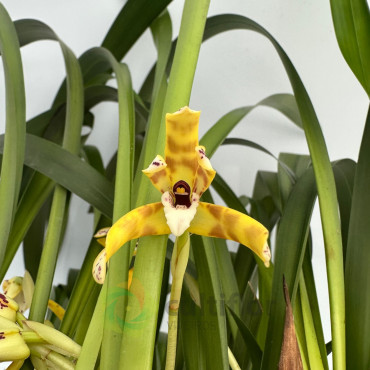
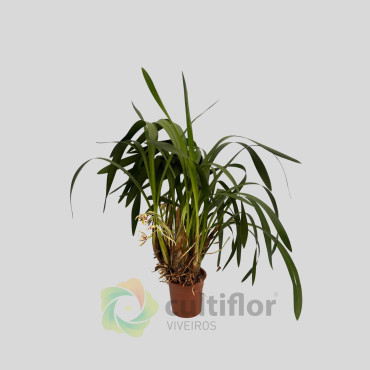
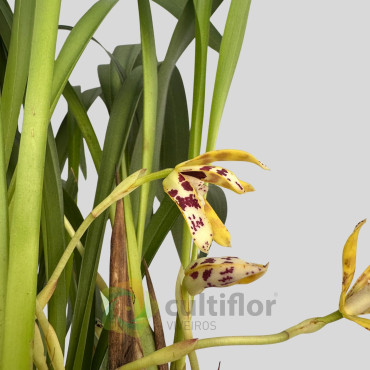
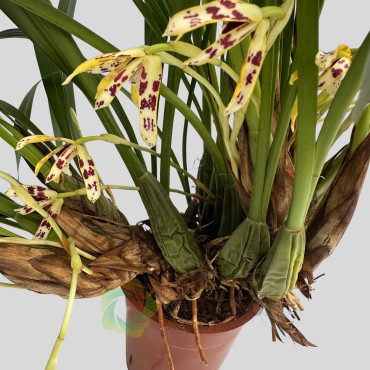
An epiphytic and lithophytic orchid species native to the South and Southeast regions of Brazil and northeastern Argentina.
The flowers appear singly on stalks that emerge from the base of the pseudobulbs. They are yellow on the inside, while the outside is speckled with spots—a feature that gives the plant its name. They are intensely fragrant, emitting a sweet scent reminiscent of honey.
SKU:
HOL-4341 a
Brand:
N/A
(0 Reviews)
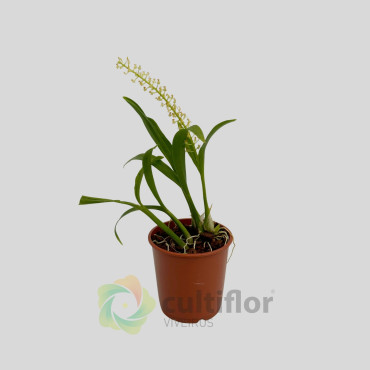
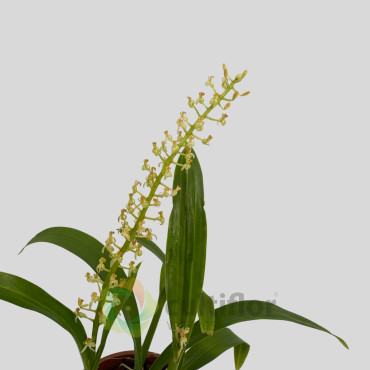
The flowers are one of the most distinctive features of this orchid. They are small and numerous, often arranged in an inflorescence that emerges from the apex of the pseudobulbs.
SKU:
HOL-1662 T
Brand:
N/A
(0 Reviews)
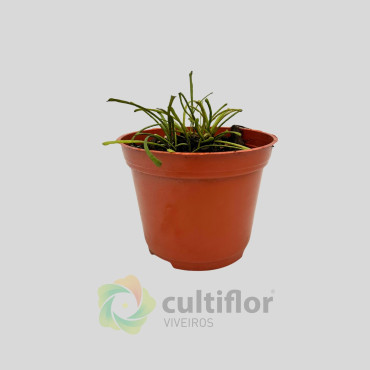
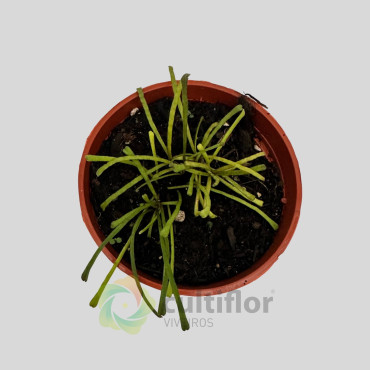
It is a plant with a hanging growth pattern, with branches that can fall freely.
The branches are thin, long, and segmented; the leaves are cylindrical and grow in pairs or groups of three.
The flowers are small and white, borne in loose clusters, usually with two to three flowers per cluster.
SKU:
HOL-3494
Brand:
N/A
(0 Reviews)
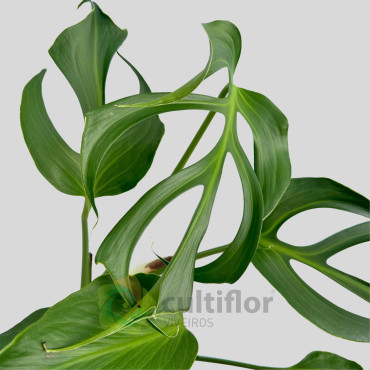
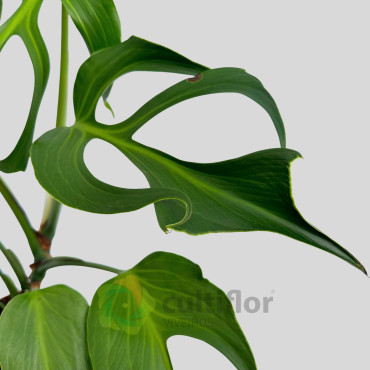
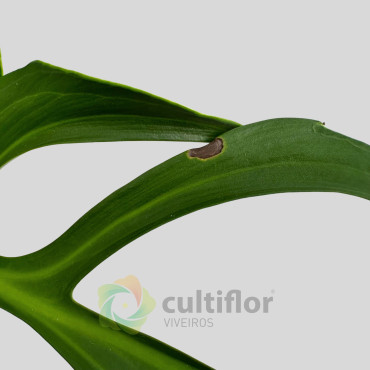
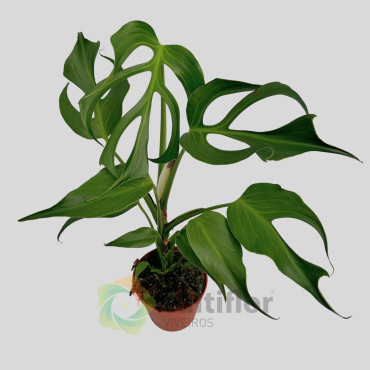
It is a rare variety and highly prized for its uniquely shaped leaves and exotic appearance. It was named after the famous Brazilian landscaper Roberto Burle Marx. It is believed to be a hybrid or a mutation but its origin remains unknown since its introduction in 1981.
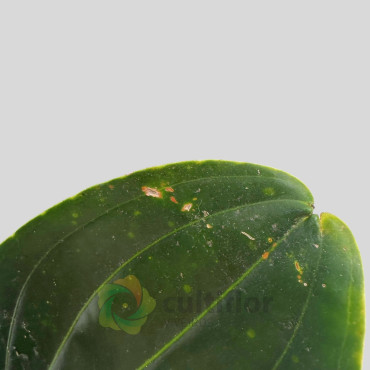
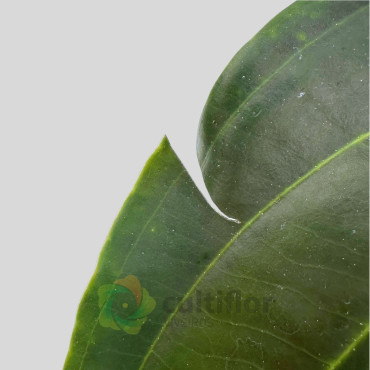
May contain small scars or cuts.
SKU:
HOL-3029
Brand:
N/A
(0 Reviews)
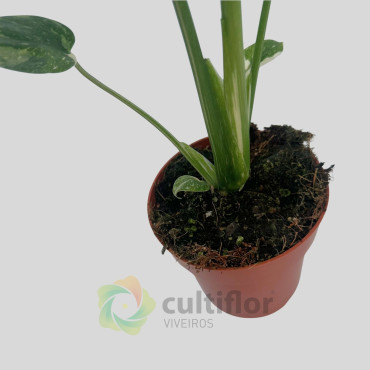
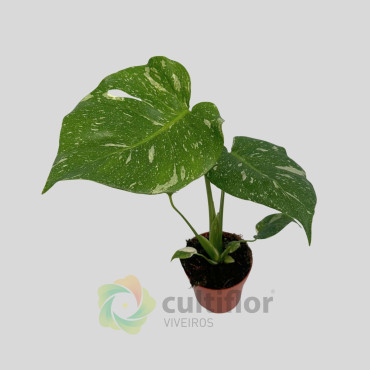
This variety is a stable and unique mutation of the famous Monstera deliciosa! Cultivated in Thailand, it has dark leaves speckled with cream or white hues. It resembles a starry night sky—hence the name "Constellation."
May contain small scars or cuts.
SKU:
HOL-2491
Brand:
N/A
(0 Reviews)
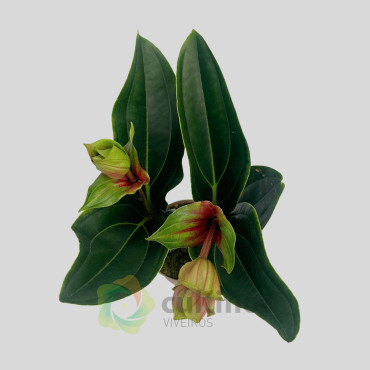
It is an indoor or sheltered balcony plant capable of producing a hanging flower. Its blooms can remain intact for a long period of time!
May contain small scars or cuts.
SKU:
HOL-4095
Brand:
N/A
(0 Reviews)
This plant stands out for its majestic size and unique texture. Its leaves can reach about 1 meter in length in adult specimens.
SKU:
HOL-287
Brand:
N/A
(0 Reviews)
This palm tree is well known for its recurring presence in indoor spaces.
Its thin, elongated leaves give it a tropical appearance.
SKU:
HOL-2104
Brand:
N/A
(0 Reviews)
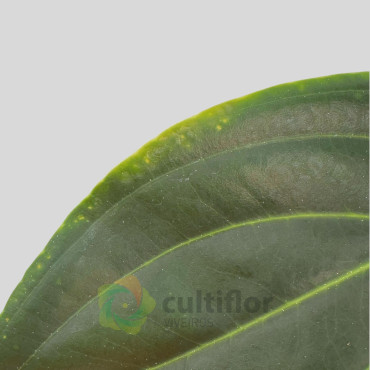
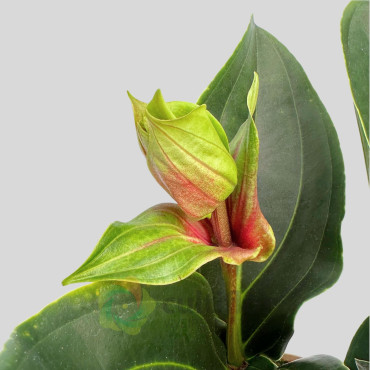
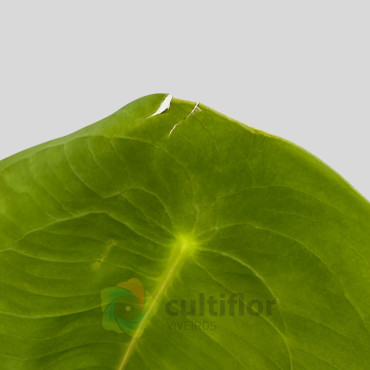
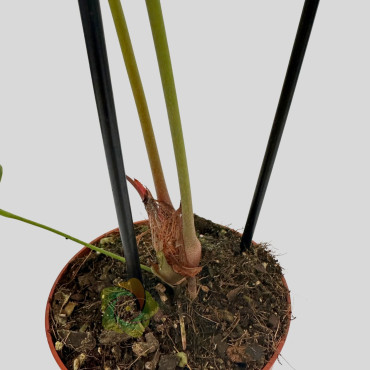
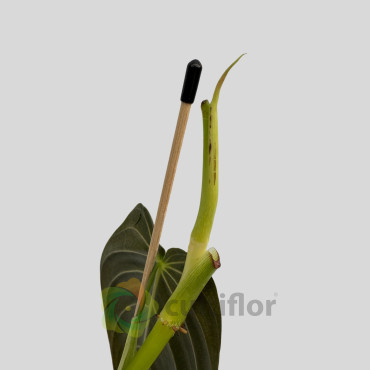
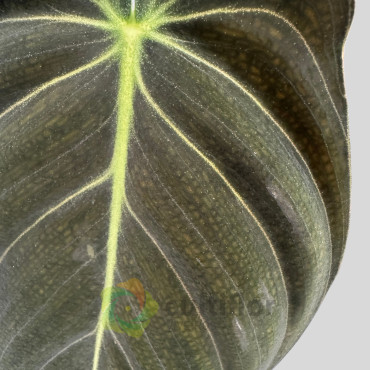
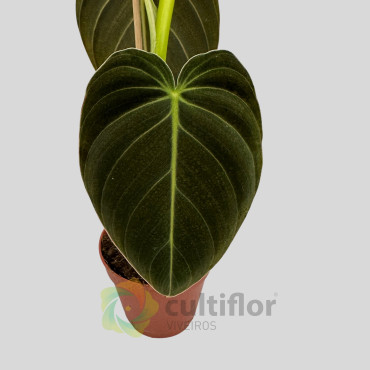
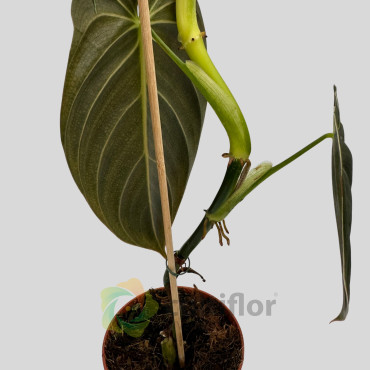
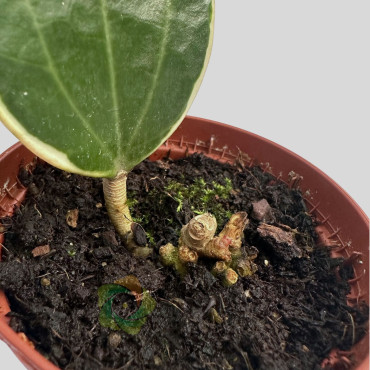
Has large, long, dark green leaves with well-defined lime-green veins. It is advisable to plant it near a support or stake.
It has small cuts and scars.
Due to its very delicate leaves, it may have slight defects.
SKU:
HOL-2705
Brand:
N/A
(0 Reviews)
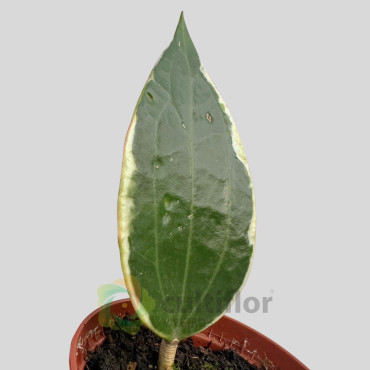
Its name, meaning "large leaf with a white margin," says a lot about it. They are remarkably large, glossy, and waxy. They are a green hue, with a raised texture and yellow outline. They can acquire beautiful pink tones if exposed to intense light.
Its flowers are small, pink, and exude a characteristic, sweet aroma.
Last items in stock
SKU:
HOL-3486
Brand:
N/A
(0 Reviews)
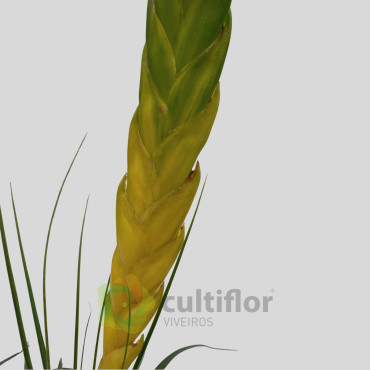
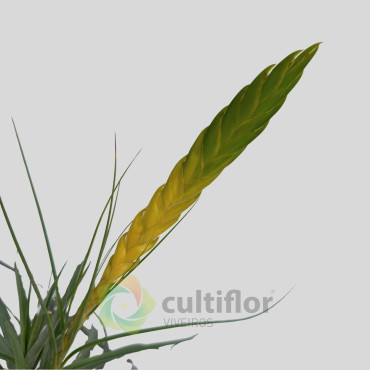
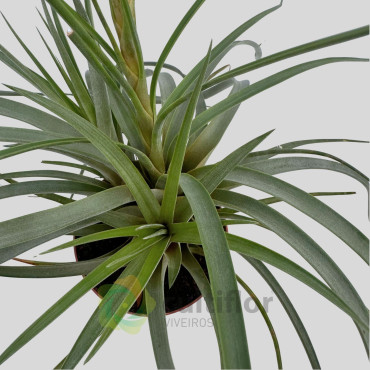
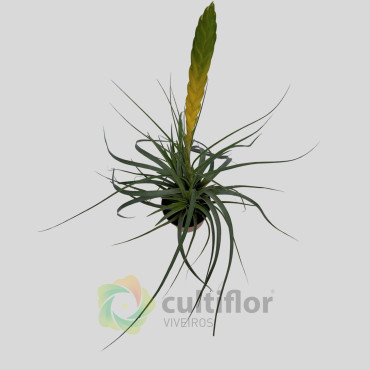
It features a dense rosette with rigid, narrow, and curved leaves. The leaves are covered in trichomes, which give the plant a grayish appearance. These trichomes help the plant capture moisture and nutrients directly from the air and dew.
The flower emerges from the center of the rosette, featuring showy yellow bracts.